I’ve been writing a year-in-review post every December, and for three years in a row now, it’s been about my PhD research on government services that benefit people.
If you want to follow my research, subscribe to my monthly newsletter.
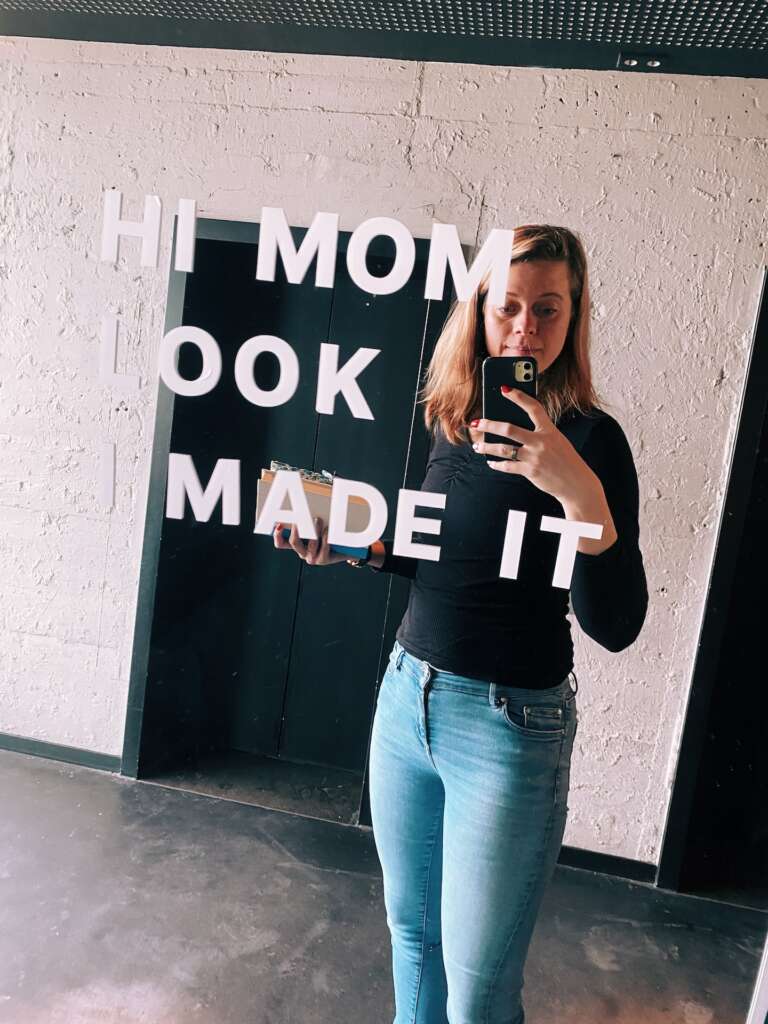
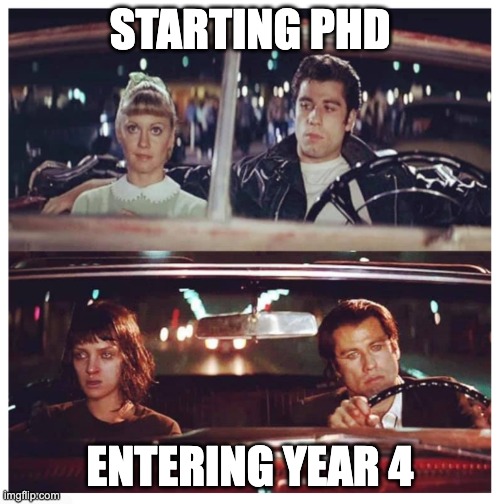
I’ve never done such an in-depth analysis before, and I think we can sum up the blog post about 2025 pretty well with this meme. But—spoiler alert—this year ends on a very positive note!
I’ve lost my naivety by now. Doing a PhD is tough—mentally, academically, and sometimes physically, too. But this year, something has changed, thankfully. I’m spending less time searching and more time choosing. I no longer want to do everything; now, I mainly want to finish what I’ve started.
Start of the Year
2025 began with me trying to shake off a mental and analytical hangover from the fall of 2024. I was stuck in my data analysis. Not because I didn’t have enough data—quite the opposite—but because I’d lost track of the big picture. Too many codes, too many layers, too many things that were interesting but didn’t yet help me draw clear conclusions. I had no idea how to proceed, and my spirits sank at the thought of having to go through that enormous mountain of data all over again.
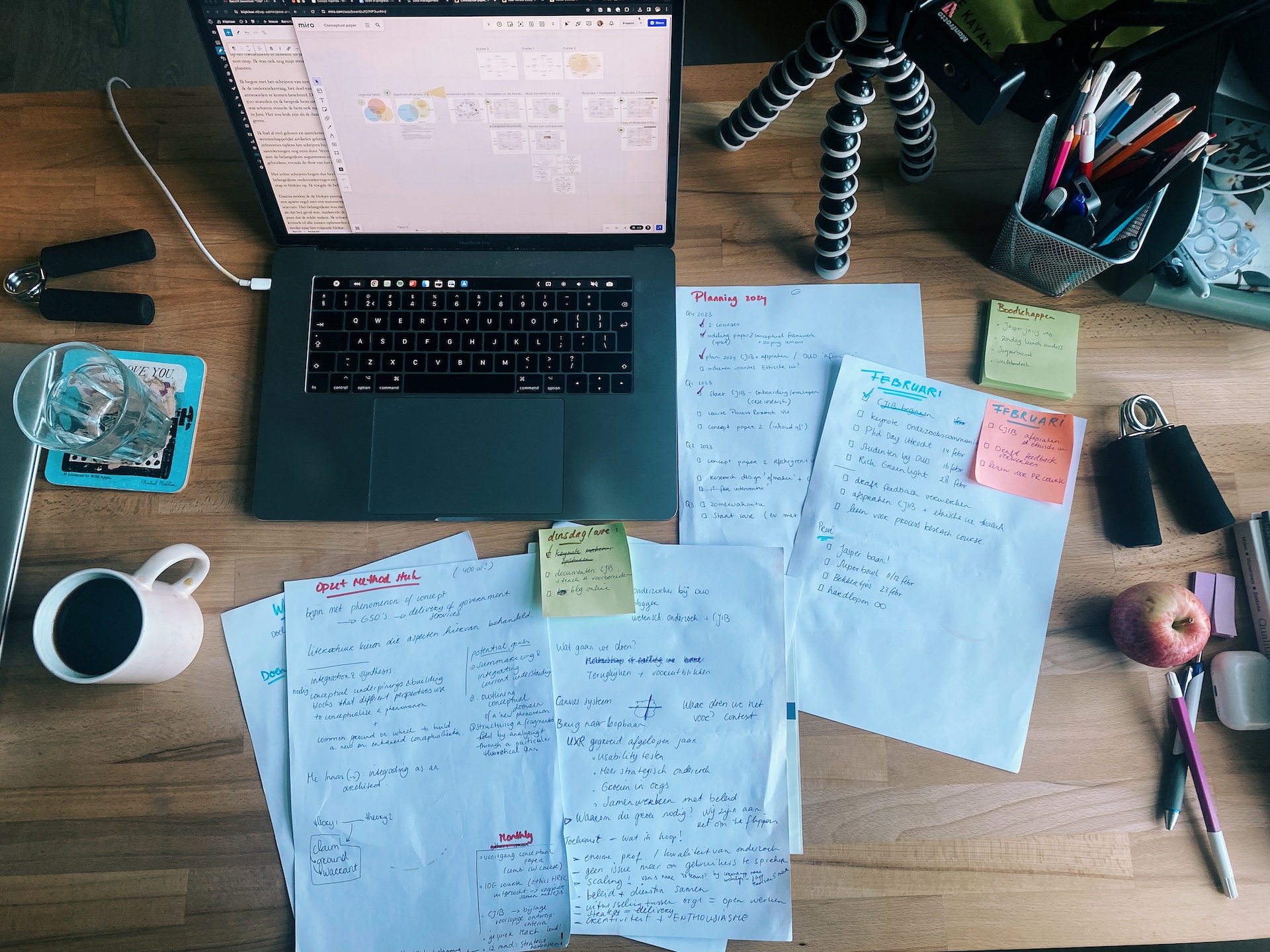
I started the new year with a new coding framework. No longer just data-driven, but also incorporating insights and frameworks from the literature. I applied this right away to the two articles I wanted to write about the field. For one, I used the ISO standard “Human-Centered Design” as a guide. For the other, based on the literature, I created an overview of everything that needs to be coordinated within the government when developing services, as the Clustering Rijksincasso program (my case study) does. I combined this with the phases of the program itself, which I had already identified from the first round of data analysis.
Now that I’m writing this down, I think, okay, this is actually pretty well put together. But it was a huge challenge to get there. And especially to then go through all the diaries, interviews, and documents again using this new analytical framework. Up until the summer, I very disciplined scheduled 2–3 documents each week to code using this new approach. As a result, just before summer, the dataset was neatly prepared for further analysis while I was writing the two articles.
Spring
This spring, Aniek, my fellow PhD student from Delft (who defended her dissertation last week!!), caught the writing bug to finish her papers and dissertation. She’s a year ahead of me, and her writing bug was contagious.
Since I already had more than enough data, I gradually started taking a step back from the day-to-day work. I still contributed to projects, but not on a weekly basis anymore, and I certainly wasn’t writing everything down anymore. (Because then you don’t have to code it either, hey, hey!). I dusted off the conceptual framework we’d started working on back in 2024, but which had been on hold for a while. I wanted to finish writing that one first.
Conceptual articles are a genre of their own: everything has to add up, every term has to fit into place, and there aren’t really any rules or templates for their structure. Before the summer, I managed to get the framework itself and the underlying rationale fairly well defined, but in terms of positioning and structure, it remained too broad and lacked focus.
In hindsight, I think I should have structured the literature review more simply. Developing your own conceptual framework is also ambitious for a PhD, especially when combined with an ongoing 2.5-year ethnographic study in the field. But anyway: once the truck is up to speed, you don’t turn it around halfway across the road.
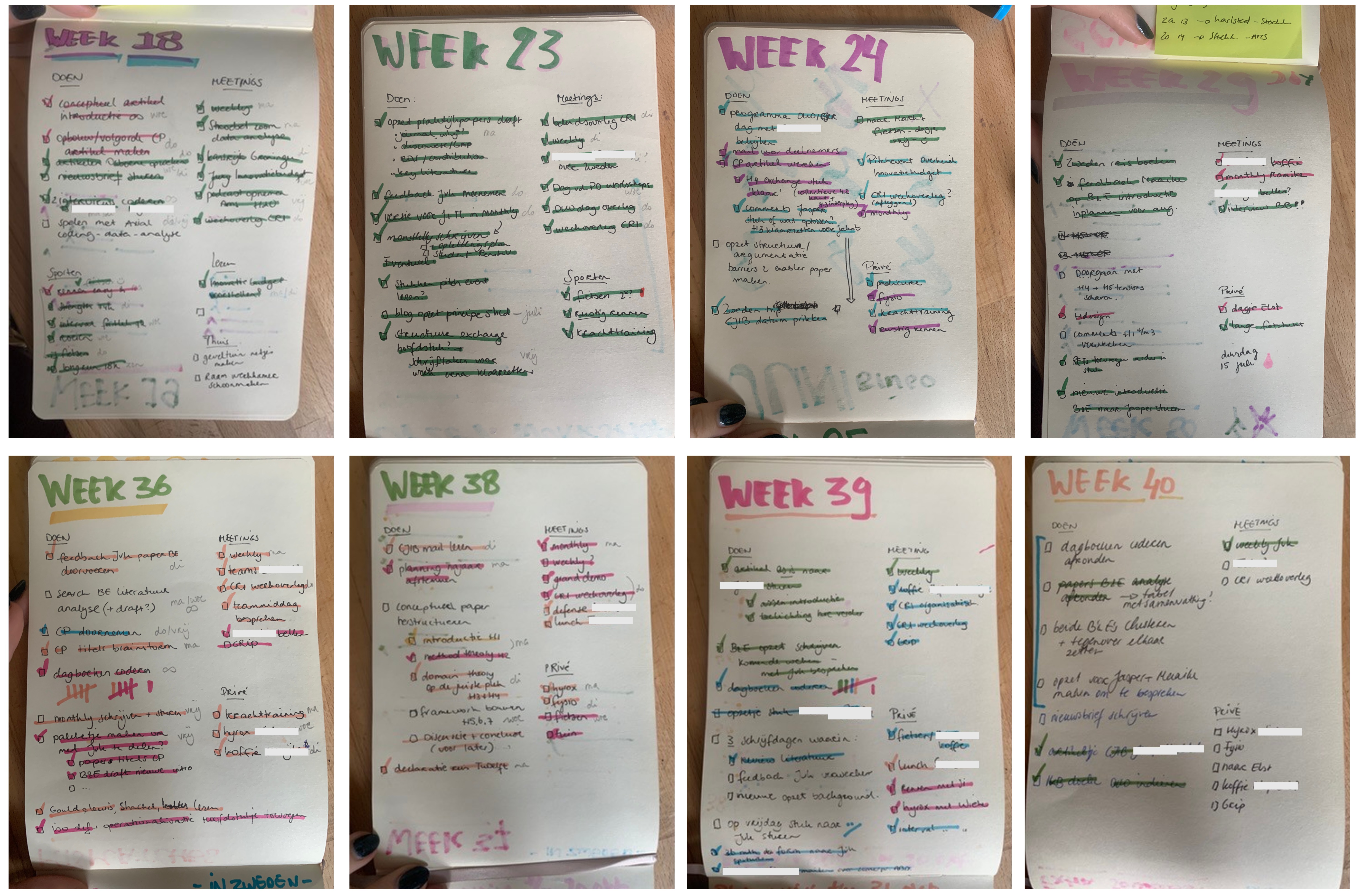
Just before summer, I decided to stop collecting data altogether. I put the collection on hold. Even though some really interesting things were happening, I’d had enough. This brought a lot of peace of mind. Of course, I still helped colleagues out with things from time to time, but I no longer had to be on high alert, wondering if I’d need to use that information for my research. It gave me the space to really start writing after the summer.
Summer
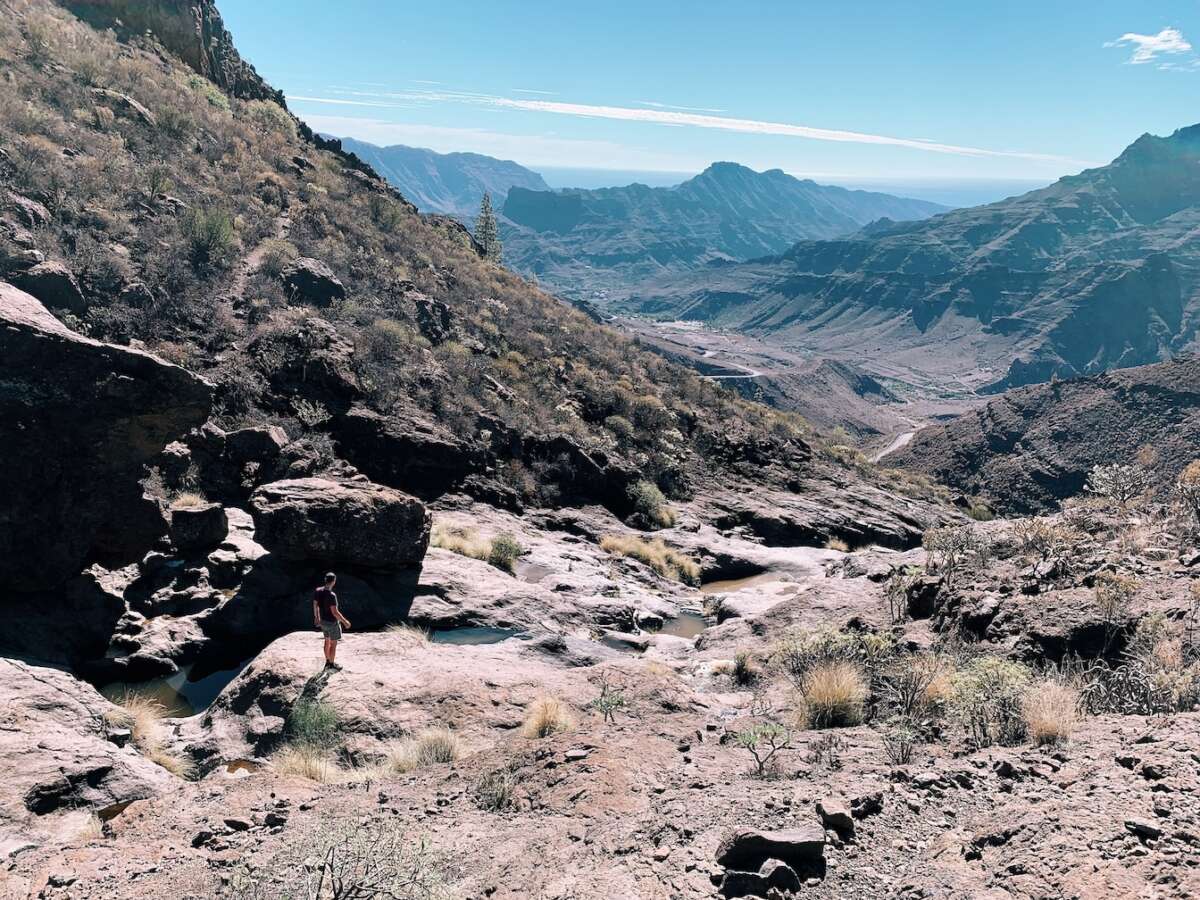
I’d been experiencing some strange physical symptoms for quite some time. But when I was walking through the French mountains during my vacation, completely pain-free, and especially when all the symptoms came back very quickly within two weeks of sitting at my laptop again, I knew enough. I was no longer able to properly release the stress that had built up in my body. I had trained myself to push through for too long out of discipline, to let my mind override my body, or to stay in the right frame of mind: the debt had gotten way out of hand, and by then the bailiff was already at my doorstep. Even as I write this blog, I’m reading again in the 2024 recap: “vacations fall by the wayside.”
Most people I tell this to say, “Yeah, that’s just part of doing a PhD.” But why, exactly? Why do we find it so normal for PhD students to consistently push themselves beyond their limits?

After the summer, I decided I didn’t want to keep going like that. So I’ll aim a little lower—a shorter book—but I don’t want to burn myself out. The dissertation doesn’t have to cover everything I’ll ever want to say about good public services. Above all, it just has to be good enough —and finished.
Here it is, for anyone interested in the table of contents.
Autumn
In the fall, I traveled to Sweden again to work with one of my advisors. There, we took another look at the positioning of the conceptual article. The content remained largely the same, but the structure was simplified. Fewer layers, fewer claims, and a clearer focus. I’ll be working on this further in the coming months, with the tentative goal of submitting it in the spring of 2026. Will I succeed? No idea. We’ll see.



And so, the milestone for 2025 was finally reached: the first practice paper was completed, along with Chapter 4 of the dissertation.
Since I had all the data ready again before summer, I was able to make real progress with a new focus and a healthier daily routine. I forced myself to keep it simple. No all-encompassing narrative, no comprehensive theoretical paper, but one clear analysis that’s good enough. This could potentially be expanded into a journal paper later— a nice-to-have—but for now, the most important thing was to finish something and submit it.
I benefited immensely from the work I had done before the summer. Since all the data had already been recoded, the building blocks were in place. Sometimes it seems as if there’s little progress for months on end, and then suddenly everything falls into place. Earlier this year, for example, I wrote a blog series on the principles of people-centered work, mainly to reflect on them myself. I’ve now been able to incorporate those ideas into the article in a much more comprehensive and analytical way.
Looking back
It’s too early to ask whether I would do it again—a PhD. I sincerely believe you have to approach it with a sense of naivety; otherwise, you won’t do it. In the guide for civil servants pursuing a PhD that I wrote this year, I tried to be honest without getting too negative. It really is special that I get to do this research, that it’s so socially relevant, and that I’m given so much freedom.
But: limits, limits, limits. Looking back, I shouldn’t have attempted both an extensive conceptual piece and a 2.5-year ethnographic field study at the same time. Both are enormously challenging in their own right and require completely different research approaches.
2026 will be my last year. I have only one goal: to submit my dissertation to the thesis committee. So don’t call me. Not until 2027. After a loooong vacation.