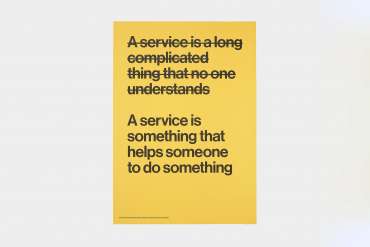
When is a service valuable? For example, if someone can apply for, change, or cancel a benefit without getting stuck, then we’re doing it right. Find the right button. Complete the application. Money in the account. That’s valuable, right?
In conversations with former students when I worked at DUO, I sometimes noticed something strange. People didn’t just want to talk about their student debt and how to manage it through the portal; they also wanted to talk about their mortgage and whether they’d be able to buy a house “later on.” My immediate reaction back then was: I understand, but that’s not our area of expertise. That’s not part of our service.
I’m currently conducting scientific research on how to create valuable government services. I now view it differently. A while back, I conducted a survey among the readers of my newsletter. I asked them to tell me about one recent service they had used and what benefits it provided them. Their responses clearly reveal the various layers of value that services provide—or, conversely, undermine.
If you want to follow my research, subscribe to my monthly newsletter.
A stack of value
“I recently switched health insurance plans. I wanted to save money and found one that was cheaper. Switching was very easy; everything was clear. With the money I’m saving, I can now do fun things, and I’m still well insured in case something happens.”
As you can see, this service has a multi-faceted impact. The switch itself was a positive experience. And the results were positive: more money left over and good insurance coverage.
But that’s not always how it works. A service can provide value to you in the here and now, but come at a cost to society. And vice versa: some services are difficult, but so important that people struggle through them anyway, so they can still create value for themselves. (It’s a shame we put them through that, but oh well.)
Different layers
I cover more aspects in my PhD research, but for this blog post, I’ll highlight a few of them with some examples.
1. How you experience it
Was it a good experience, or not? Were you able to achieve the goal for which you used the service? Once you’ve struggled your way through a form, you may have technically checked off your task, but you’re also pretty annoyed.
“I still had to contact the city. This online form felt like an unnecessary detour because a real person probably could have told me this in less than 5 minutes.”
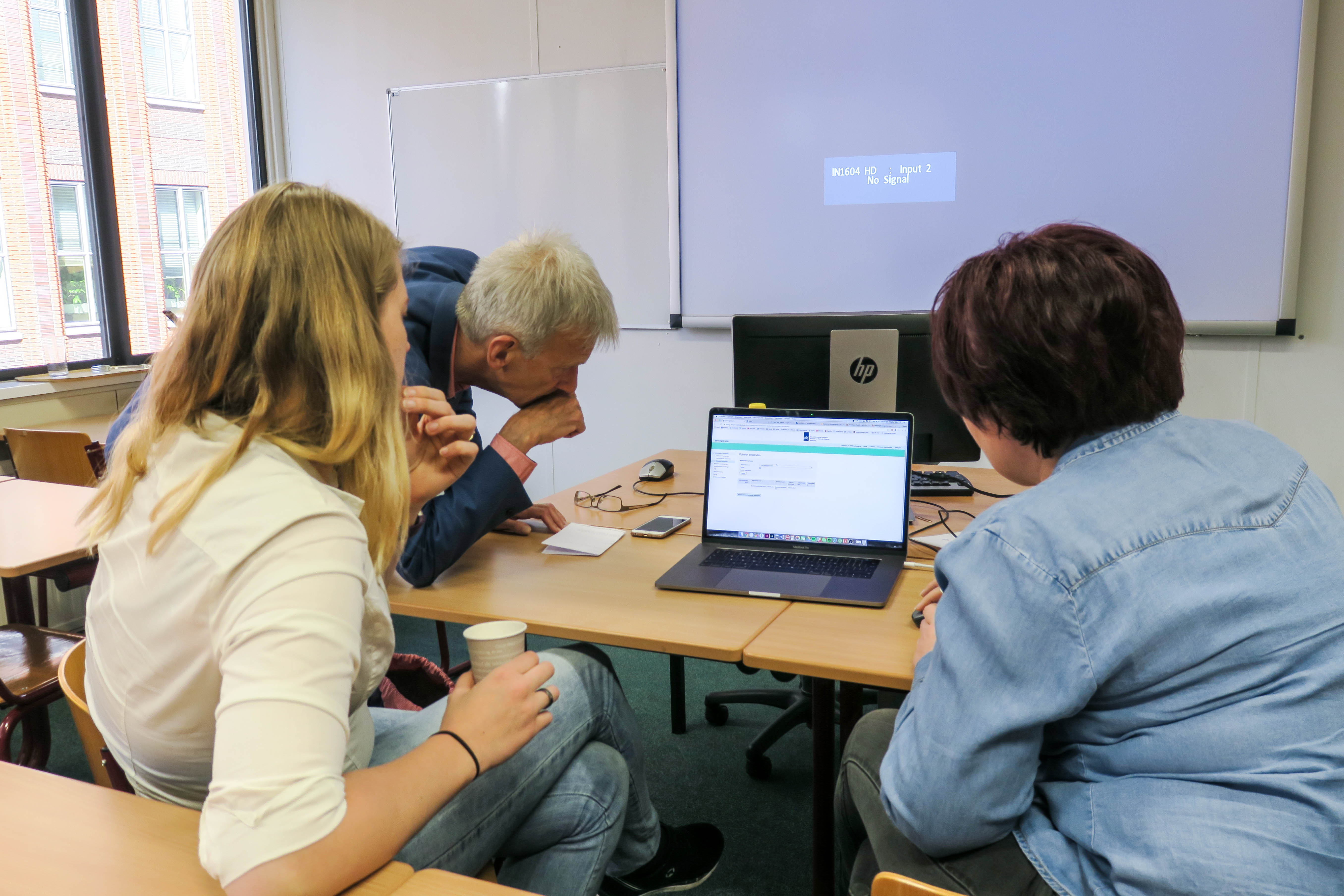
This first layer is the direct interaction between the organization and the service user. When this interaction doesn’t go well, it directly affects your perception of that organization. This is usually the standard UX (user experience) that we focus on in the public sector—and the one over which you, as a designer, have the most direct influence.
2. How you can use it in your life
Look, ultimately, it’s all about how a service fits into your life. Nobody buys a new washing machine just to look at it. No, you want clean clothes!
“I participated in the breast cancer screening program. I received an invitation in the mail along with an informational brochure, and I made an appointment online at a nearby location. After the appointment, I received the results in writing.” Of course, my goal was to prevent myself from getting breast cancer.”
In academia, this layer is also referred to as “value-in-use.” And “use” here does not mean using a portal or service counter, but rather using the service in your daily life. Using the child care subsidy so you can work, using student aid to pay your tuition or rent, or not just applying for a permit, but looking out the window of your new dormer with a cup of coffee in hand.
This is where the government really needs to deliver. It’s great if your website is user-friendly, but ultimately, it’s all about delivering on your promises.
3. What You’ll Learn for the Future
Some services teach you a few tricks for next time. Your ability to handle certain tasks on your own later on—like filing your tax return—improves. You now know how it works. For services you only use once—like when you apply for a permit for a dormer window once every 10 years—this isn’t necessarily needed.
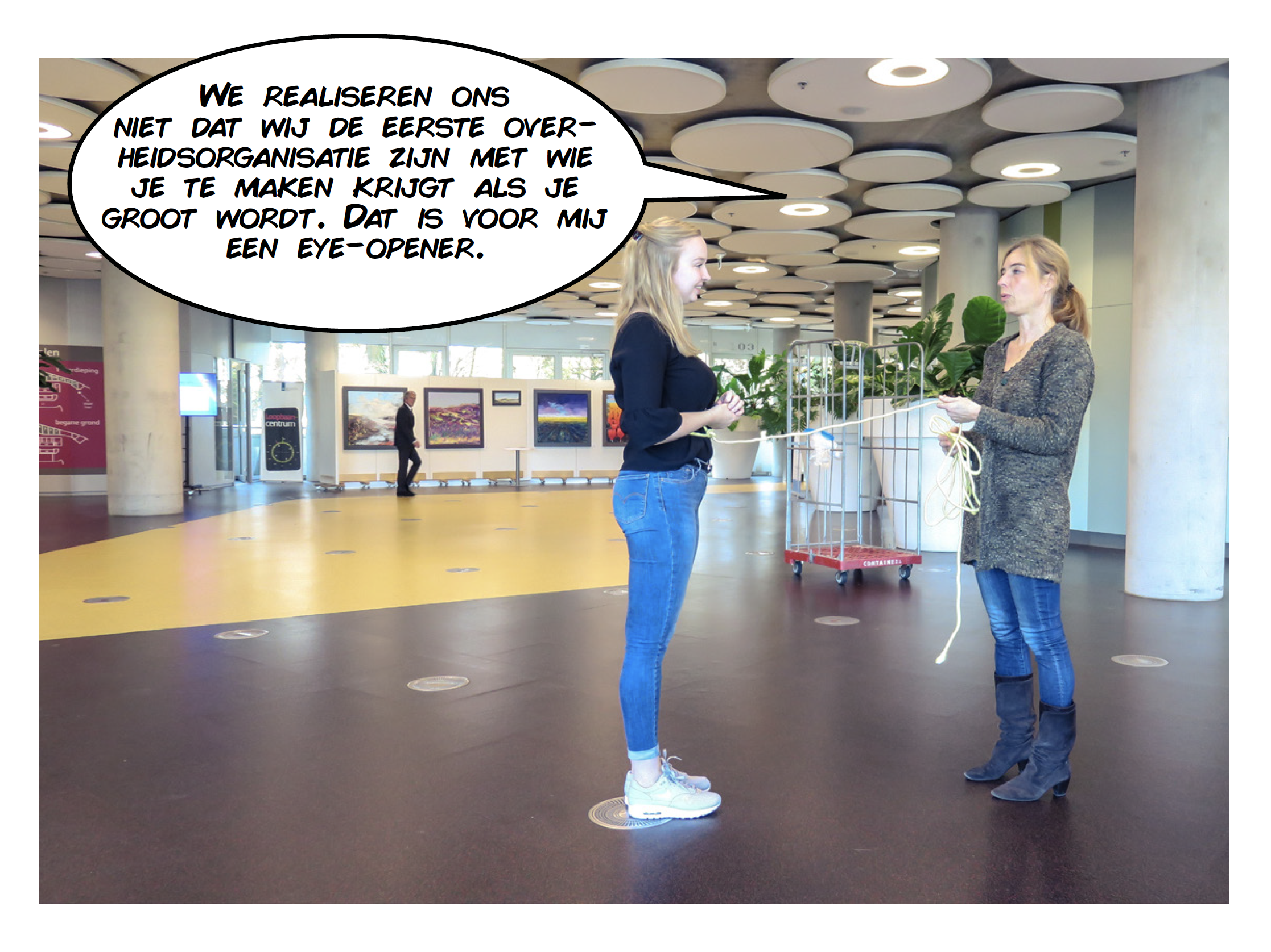
But consider young people who have their first experience with a government office at DUO (student financial aid) or the RDW (driver’s license) and learn there how interacting with the government actually works.
4. How it affects the people around you
You may be the one who arranged everything and actually uses the service. The benefits usually extend beyond just yourself. Often, financial assistance you can receive from the government applies to your entire household. Or conversely, if your daughter can set up a payment plan for a debt, that also gives you, as a parent, peace of mind.
“My father-in-law passed away, and I had to report it. Fortunately, the process was straightforward, even though he was abroad when it happened. This saved our whole family a lot of hassle during a difficult time.”
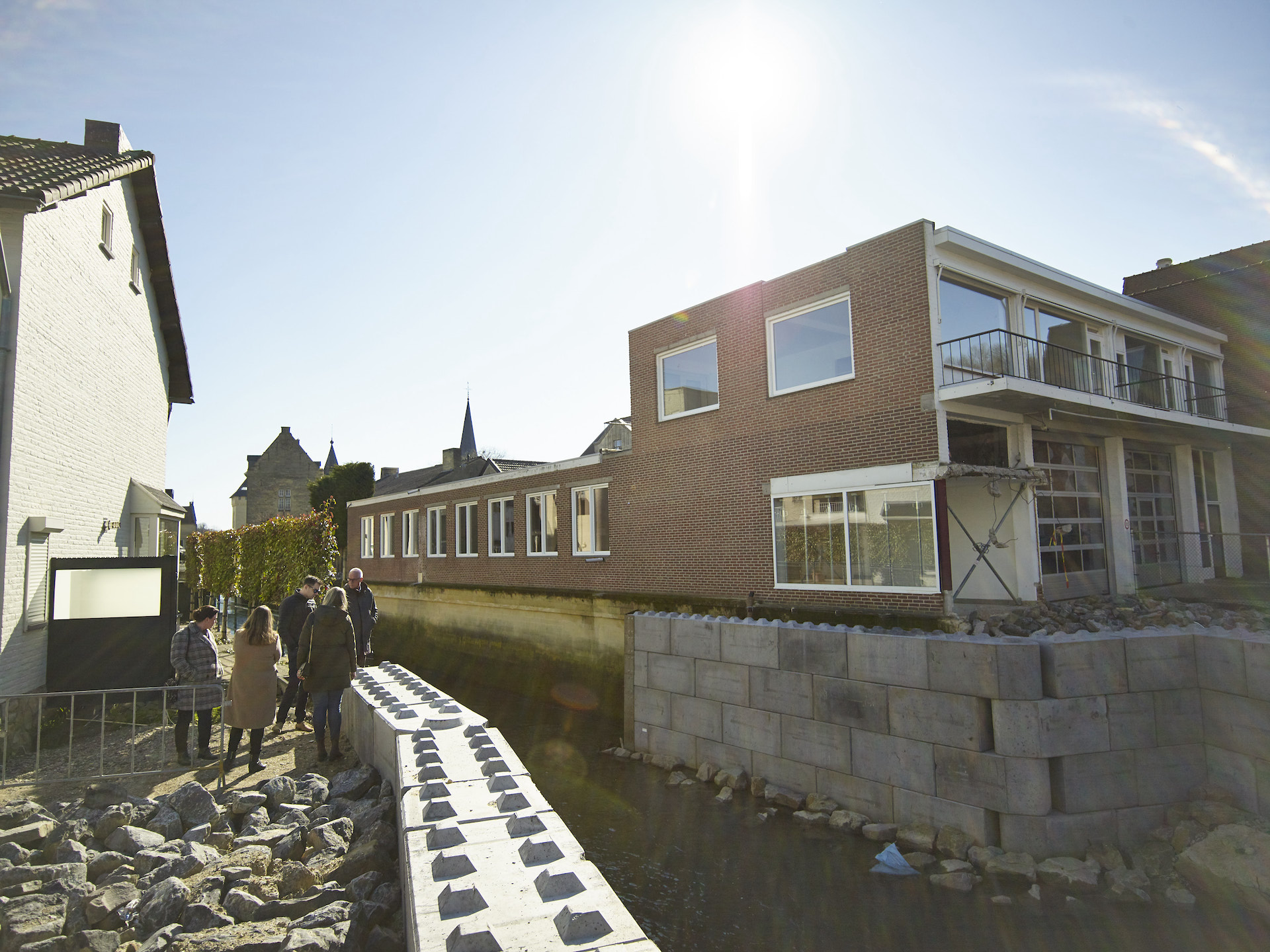
The value that a service can provide can also help your neighbors, the entire street or neighborhood, or another group you belong to. Consider the response to the floods in Limburg in 2021, which I wrote about earlier. There are several streets here where, at almost every address, someone is filling out all kinds of forms or on the phone with government agencies. They’ve all been through something together, and one person’s experience with government services (and the results!) influences the experience of others.
5. How it contributes to society
Of course, this is what many policy officials are concerned with. This is being debated in parliament and local council chambers. What kind of society do we want to be?
“I went for a blood test to find out if I can have another round of chemo tomorrow. My value to society… Oh, that’s a tough one. I’m costing society a lot of money with this treatment. But it does give me a better chance of getting better and, hopefully, being able to do useful things for society for many years to come?”
And that’s exactly right—access to medical care and a healthy population are, of course, a one-on-one social value!
Connected Layers
Of course, these aspects are not separate from one another. Accessible education requires that young people be able to afford school—and thus, for example, be able to apply for individual student financial aid. And every young person who attends school is one more person who, when added to the rest, contributes to a society where talents are put to good use.
But the difficult question is: how do you design for all those layers? Policy usually focuses on the group and the broader goals for society. And when designing interactions—such as service counters and forms—you typically do so by testing with “the user.”
How do you ensure that what we think is “good for people” actually gets created and also proves to be good for people in practice? Both for individuals and for the group?
And that brings me to two questions:
- What layers of meaning does your work actually explore?
- And how far do you think your influence and responsibility extend?
Want to read more?
- I explored this concept of value earlier in the blog post: ” The Value Is in the Classroom.“
- This article describes some of the value dimensions I used in my research: Osborne, S. P., Nasi, G., & Powell, M. (2021). Beyond Co-production: Value Creation and Public Services. Public Administration, 99(4), 641–657.
- I wrote an initial guide on how to design for that entire experience—and thus its various layers of value—in the blog post: “Start with Your Target Audience’s Entire Experience.”

